

Common Household Mold
Here are common places you might find mold:
-
Bathroom mold
This grows around showers, tubs, sinks, and toilets. It often looks black, green, or gray. It shows up on tile grout, caulk, or walls because bathrooms are warm and steamy. -
Kitchen mold
Mold can grow under sinks if there is a leak. It can also grow in the fridge drip pan or around windows where water collects. -
Basement mold
Basements are often damp. Mold may grow on walls, wood beams, cardboard boxes, or old carpet. -
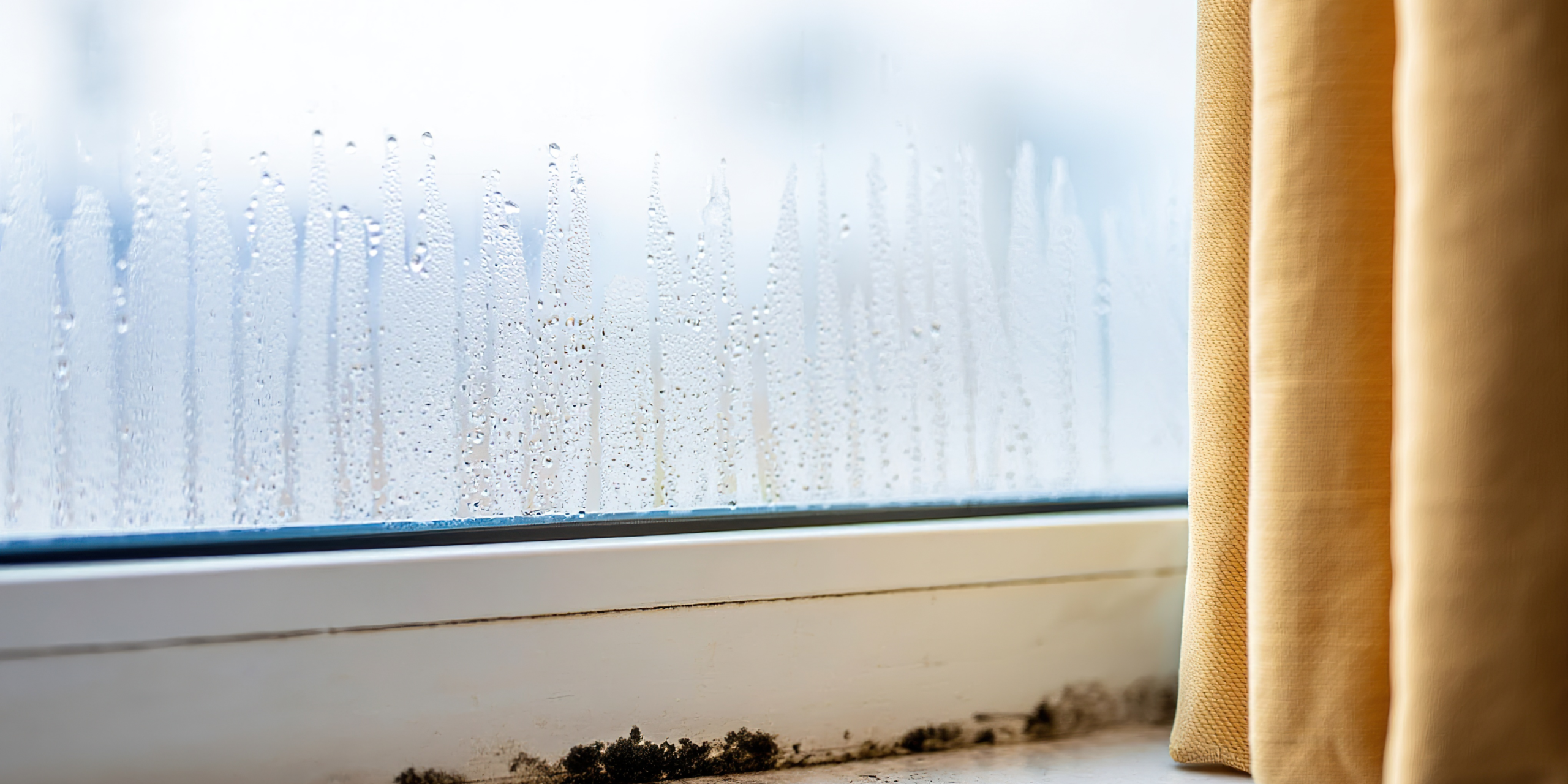
Window mold
When warm air hits cold glass, water forms. This is called condensation. Mold can grow on the window frame or sill. -
HVAC or air vent mold
If air ducts or vents stay damp, mold can grow inside and spread small mold spores through the air.
How to Clean Small Mold Areas
If the mold spot is small (about the size of a pizza box or smaller), many people can clean it safely.
-
Wear protection
Use gloves. Wear a mask if you have one. Open windows for fresh air. -
Use a cleaning solution
You can use:-
White vinegar (spray it on and let it sit for 30–60 minutes)
-
Or a mix of water and a small amount of bleach
Never mix bleach with other cleaners.
-
-
Scrub the area
Use a brush or sponge. Scrub until the mold is gone. -
Dry the area fully
This is very important. Mold comes back if the area stays wet. Use a towel or fan to dry it.
If mold covers a large area or keeps coming back, call a professional. I am not sure about exact square footage limits in every situation, but large areas usually need expert help.
How to Prevent Mold
Mold needs water to grow. If you control moisture, you control mold.
Here are simple ways to prevent it:
- Fix leaks right away.
-
Use bathroom fans during and after showers.
-
Keep indoor humidity low. A dehumidifier can help.
-
Wipe up water spills quickly.
-
Make sure gutters and roofs do not leak.
-
Do not store wet items in closets or basements.
-
Keep air moving with fans or open windows when weather allows.
Think of it like this: if a surface stays dry, mold usually cannot live there.
Real-World Example
A family noticed black spots on the ceiling of their bathroom. The bathroom had no fan, and they took long hot showers. The steam stayed trapped in the room, and water collected on the ceiling.
To fix it, they:
-
Cleaned the mold with vinegar and scrubbed it off.
-
Dried the ceiling completely.
-
Installed a bathroom exhaust fan.
-
Left the fan running for 20 minutes after each shower.
After that, the mold did not return because the room stayed dry.
The key lesson is simple: Find the water. Fix the water. Dry the area. That is how you stop mold.